
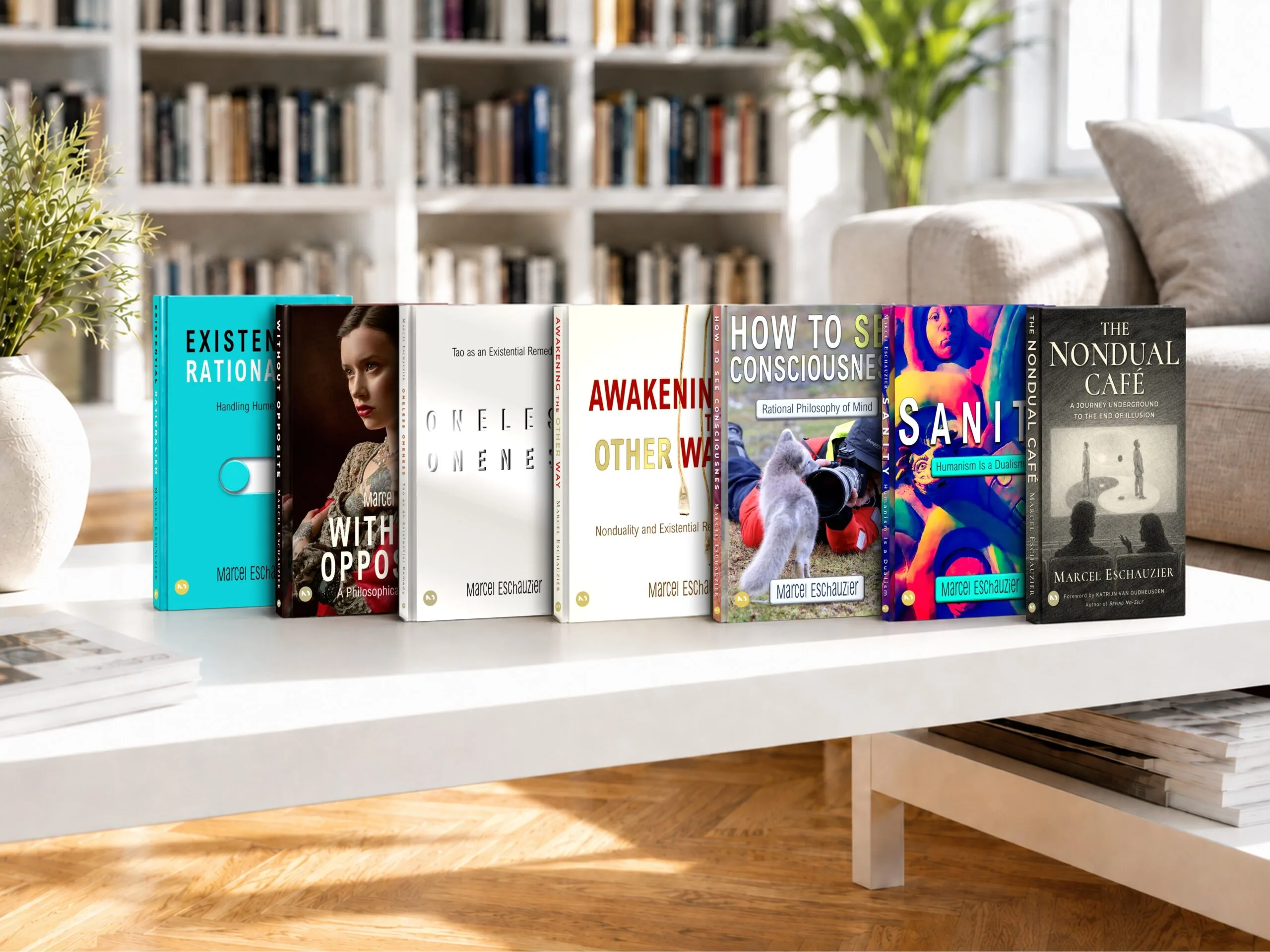



Can artificial intelligence ever possess consciousness? Marcel Eschauzier examines nonduality and why artificial consciousness is an illusion...
“You can read it again and again.” That's what Katrijn Van Oudheusden, author of Seeing No-Self and writer of the foreword to The Nondual Café, said during our online...
What is satori really like? During the launch of The Nondual Café, someone asked whether satori comes and goes. My answer explores why seeing through the illusion of...
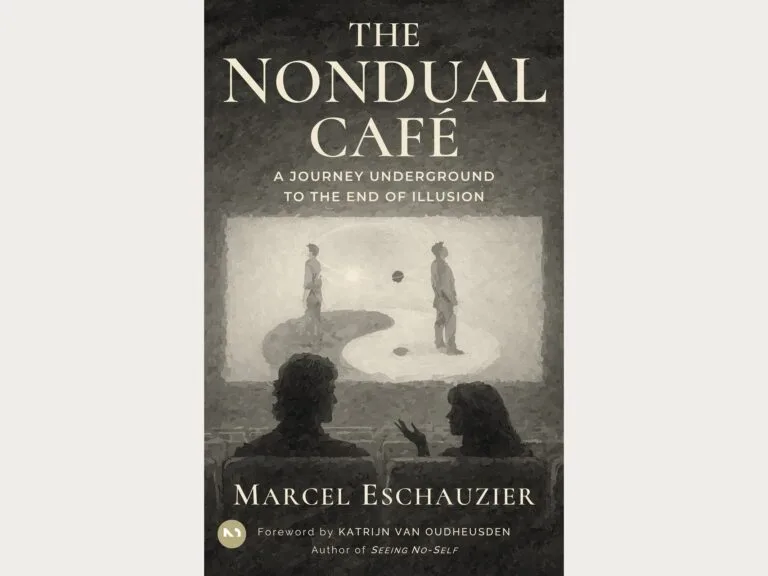
Enter The Nondual Café, a fictional philosophical adventure where Prometheus, Orpheus and Adrian test nonduality, reason and personal freedom...
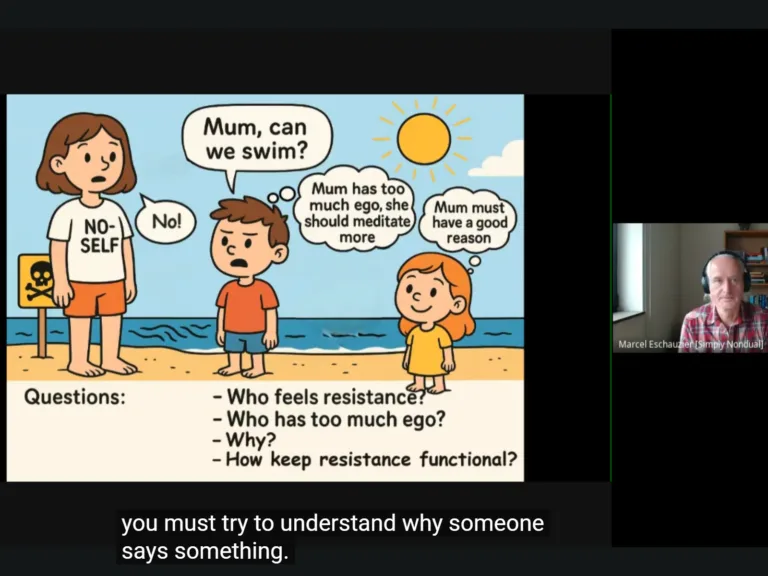
What happens when curiosity meets mental resistance? Explore the psychology of resistance, the ego, and human relationships in this NDLCA conversation...
With Marcel Eschauzier and Katrijn Van Oudheusden · October 6, 2026 ▶️ The presentation starts at 6:00. The opening minutes are informal greetings as everyone arrives...
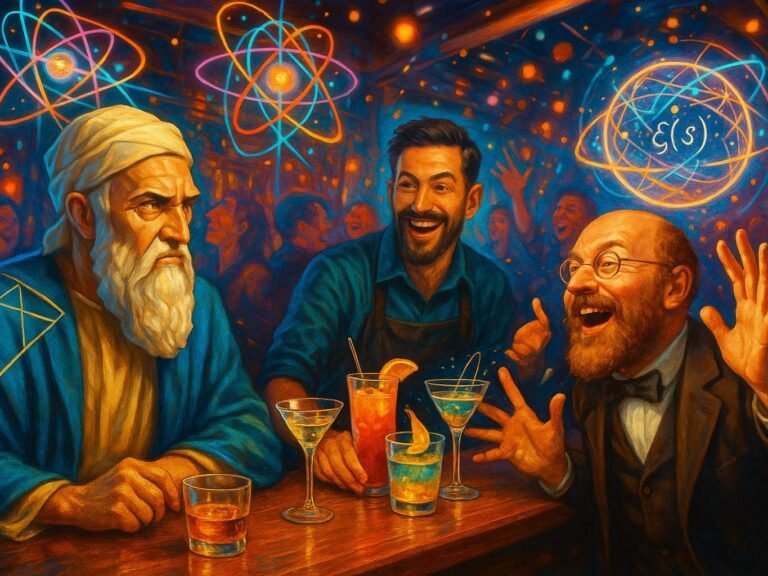
From Riemann surfaces to the limits of conceptual thought, explore why true insight lies beyond both Euclidean certainty and quantum ambiguity...

All books of the Simply Nondual Collection are now available as audiobooks in Audible format. Discover a new way to experience the nexus of Zen and reason!...
How to read the Four Noble Truths: fixing common misunderstandings about the Buddha's teachings & inner peace by rational nondual recognition...
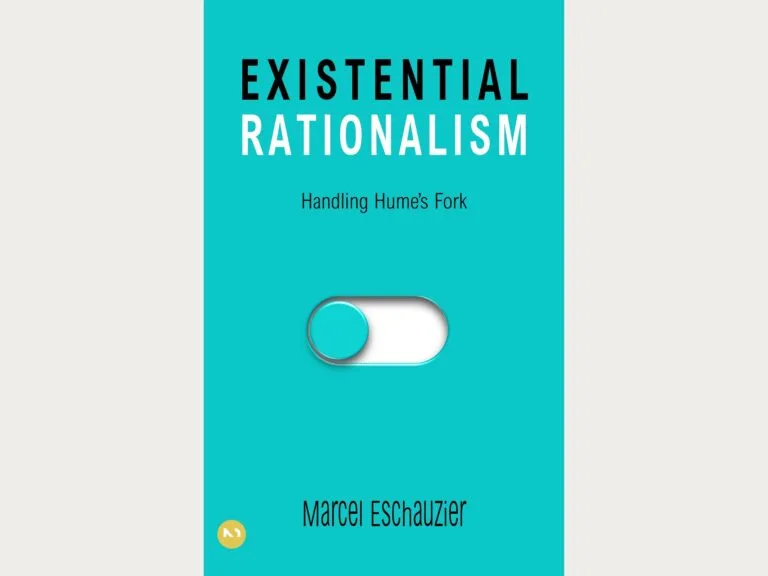
Tap into the logical synergy of Zen and reason and discover a unique treatise on non-dual rationalism advancing science including psychology...

Ancient wisdom meets forbidden desires: Follow Sata's journey from paradise to existential truth, blending myth, scandal, and psychological insight...
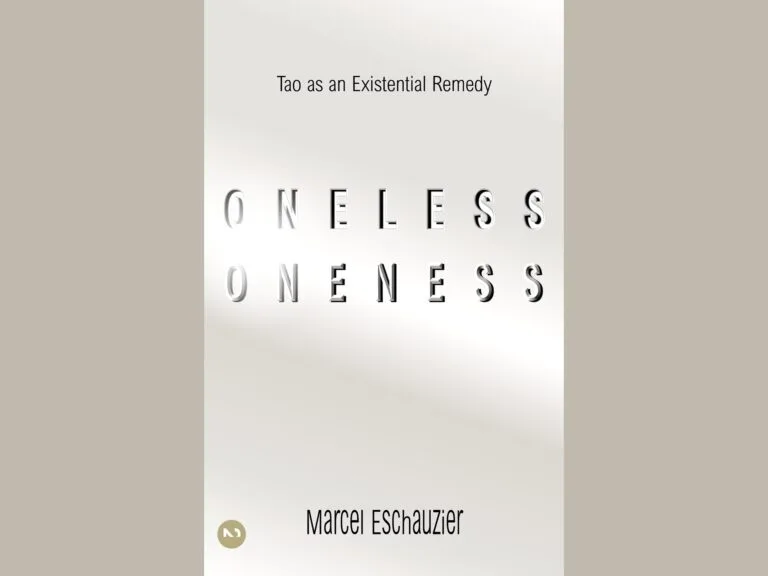
Explore Zen rationally. Discover a uniquely logical and concise approach to ancient Eastern wisdom for modern problems and inner peace...
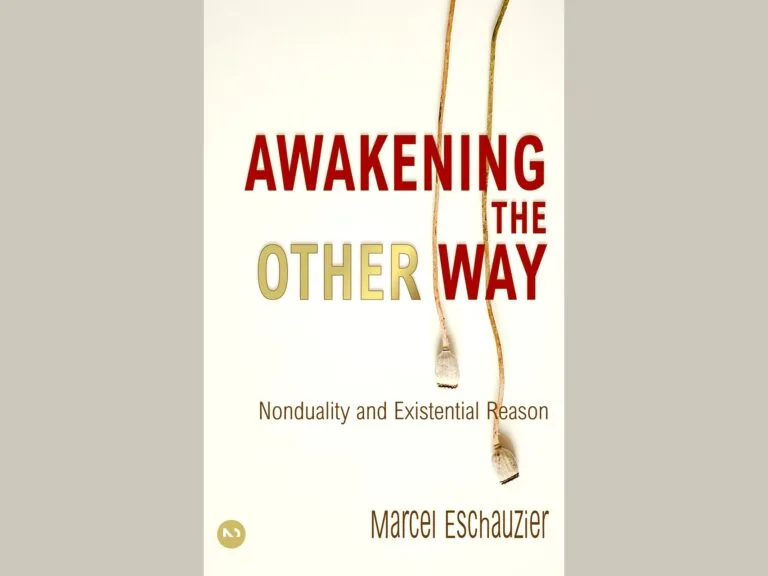
Discover the enlightenment story of a rationally trained engineer, showing that nondual awareness is reasonable and achievable without meditation...
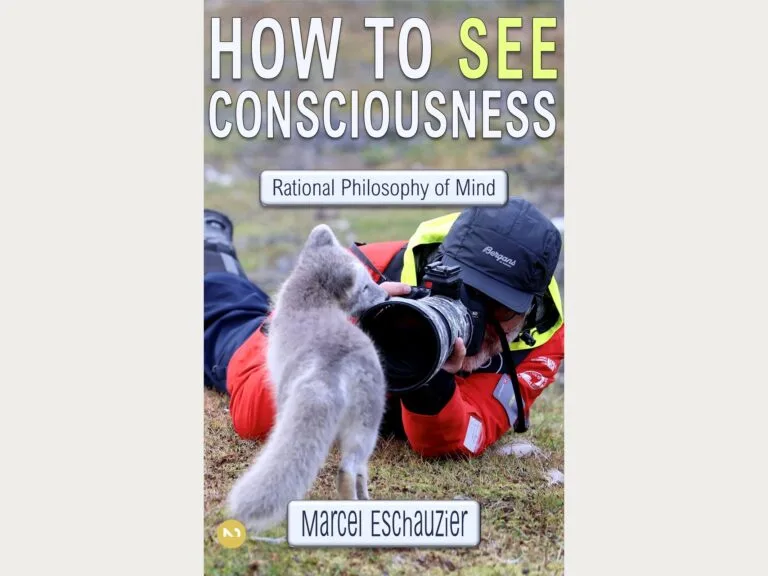
This post discusses a technical essay by Marcel Eschauzier on nonduality and its meaning for rational philosophy of mind and metaphysics...

What modern thinkers can learn from a 17th-century genius. Blaise Pascal about the limitations of human knowledge and the role of reason and faith...
What can the West learn from Eastern nondualism? Discover why philosophy is more relevant than ever for a more peaceful and harmonious world...

A Shakespearean electric velocity ode: Hearken ye to a clandestine tryst 'twixt a fledgling Tesla and the venerable Porsche upon the Teutonic tarmac...

The prospect of living in a simulation is a favorite topic in the popular podcasts. Here's a link to my article on mindfulled.com that reveals The Matrix...

How images of the preconceptual lead to division: this fairytale explores nonduality and idolatry through two peoples who forgot their shared source...
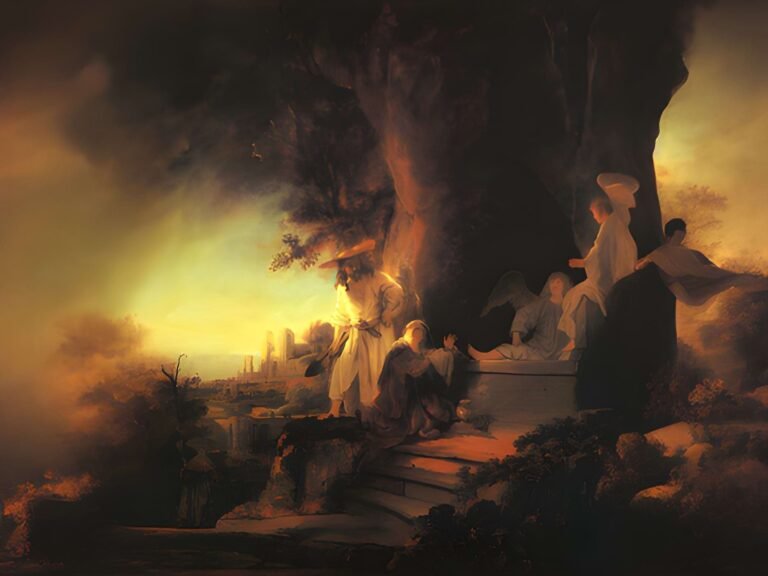
A personal secular exploration of nonduality and Easter: How Christ's resurrection symbolizes love overcoming division and cynicism to reveal truth...

The present: a blade without breadth, slicing time into memory and expectation. What is left? A haiku exploring the fleeting nature of change...
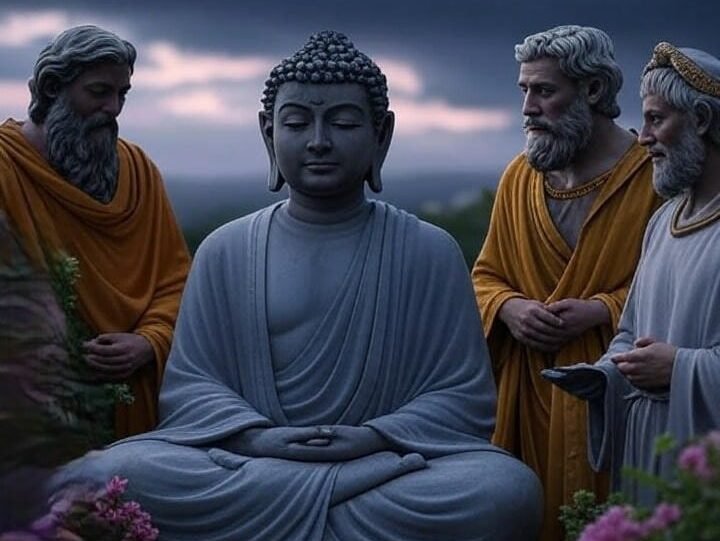
East meets West:: how Epicurus, Aristotle and the Buddha each point to the middle way, offering timeless insights into peace and nondual freedom...

Explore how Christian-influenced Stoic ethics contrast with Buddhist–Epicurean nondualism, converging in Rational Nondualism for a balanced life...
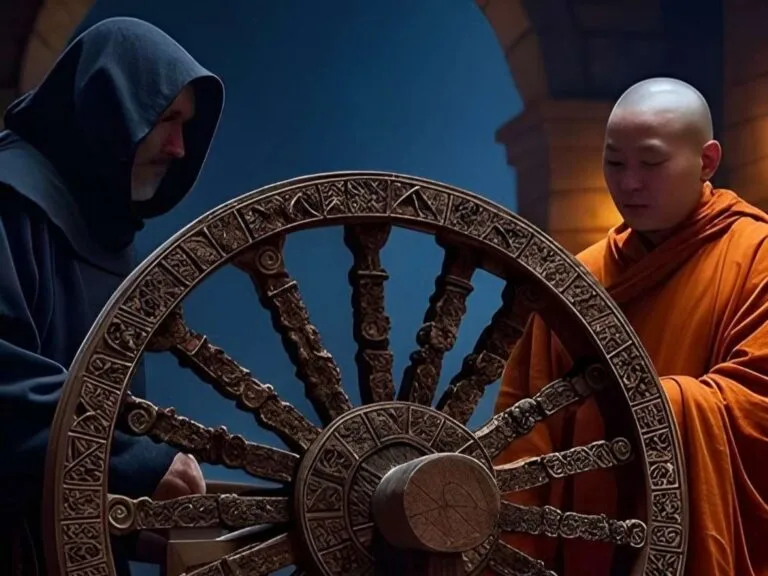
Boethius and Buddhism expose why life’s wheel brings suffering—and how nondual philosophy finds freedom at the still point beyond Fortune...

Personal realization meets philosophy: bridging Eastern nonduality with Western rational thought to open a new path of clarity and awakening...
Explore rational nondualism, the suffering known as samsara, love, and the realization that separation is a thought you don't have to believe...

Discover a simple doorway to nondual realization by contemplating two simple facts. A one minute read for a lifetime of marvel in everyday life...
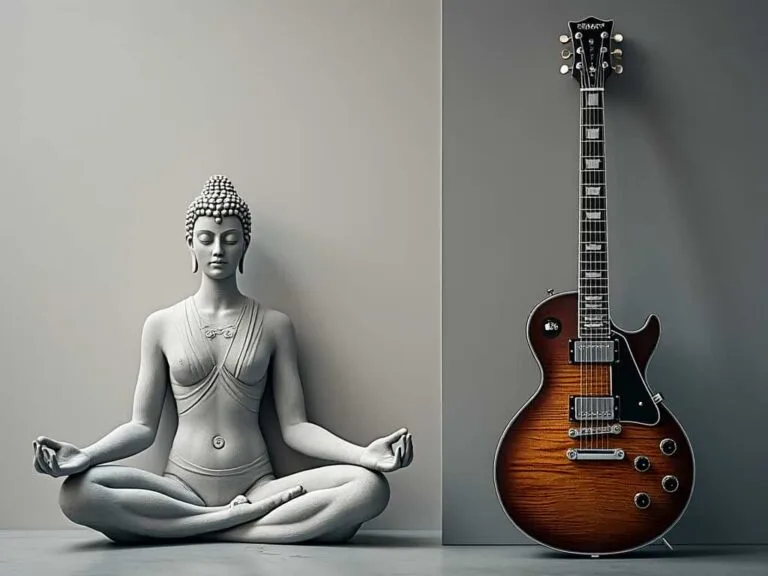
Prepare to challenge your assumptions about spirituality, consciousness, and heavy metal. When most people think of reaching enlightenment, they picture silent meditation...

After decades of seeking closure on anything and everything, I made a discovery. A short nondual insight on letting go of final answers...

A reflection on perception: blue isn’t real, it’s imagined. Reality isn’t conceived—it’s *unceived*. What happens when you drop imagination’s trick?...

Nonduality is usually treated as a spiritual teaching. And while nonduality doesn’t complain about such treatment, it leads to misunderstandings. Nonduality isn’t about...